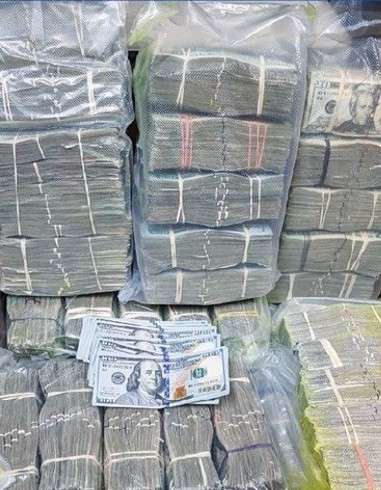
In the nineties I covered a Chicago-area press conference held to announce a successful drug raid. Back-slapping officials took turns making statements at a lectern next to a table bearing the usual assortment of guns and knives. The drugs were elsewhere, but the display included a shrink-wrapped pile of cash about the size of my Sony Trinitron. A half-million, I think.
For months afterward all of my job-escape fantasies involved stumbling upon shrink-wrapped money. Hiking in the woods, say. Or in the trunk of the Rent-a-Wrecks I was fond of.
Both scenarios were plausible. Narco pilots were known to heave bundled money from Cessna windows if being pursued, and Rent-a-Wreck was notorious for barely cleaning its returned cars. I once picked up a dented Corsica and the passenger side floor was covered with M&Ms. Hard to overlook, one would think, against dirty blue carpet.
Psychologically, the shrink-wrap was key. If I had found an envelope or bank deposit bag stuffed with money, I would have felt duty-bound to look for the owner. But shrink-wrapped cash is tainted cash, and fair game.
Alas, the closest I ever came was a twenty-dollar bill used as a bookmark in a library copy of “London Fields.”
The essential problem with the modern airport is not congestion, unhealthy food or belligerent drunks. It is not eight-dollar coffee, inaudible updates or endless TSA roped stanchions. It is not the lack of a sign at pre-check specifying whether your laptop should be in or outside your carry-on.
The essential problem with the modern airport is not the gate with seating for 40 passengers yet chosen for an overbooked flight carrying 100. Nor even the inevitable flyer who hasn’t heard — Like, dude, you serious? Since when? — that you haven’t been allowed to bring a Big Gulp through security since W was president.
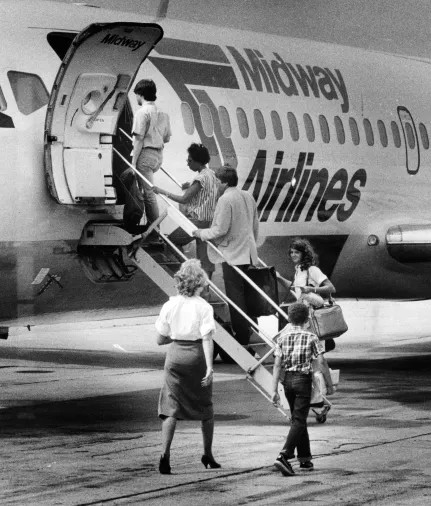
No, the essential problem with the modern airport is that, due to practical concerns and the sheer volume of passengers, it is now impossible for a traveler returning home from, let’s say, a visit with Midwestern relatives to deplane, get down on his knees and kiss the goddamn tarmac.
Copilot (hilarious name, considering) suggested I had made a mistake, and the correct phrase should be: belligerent drinks. “But I didn’t punch nobody, officer! It was them belligerent drinks.”
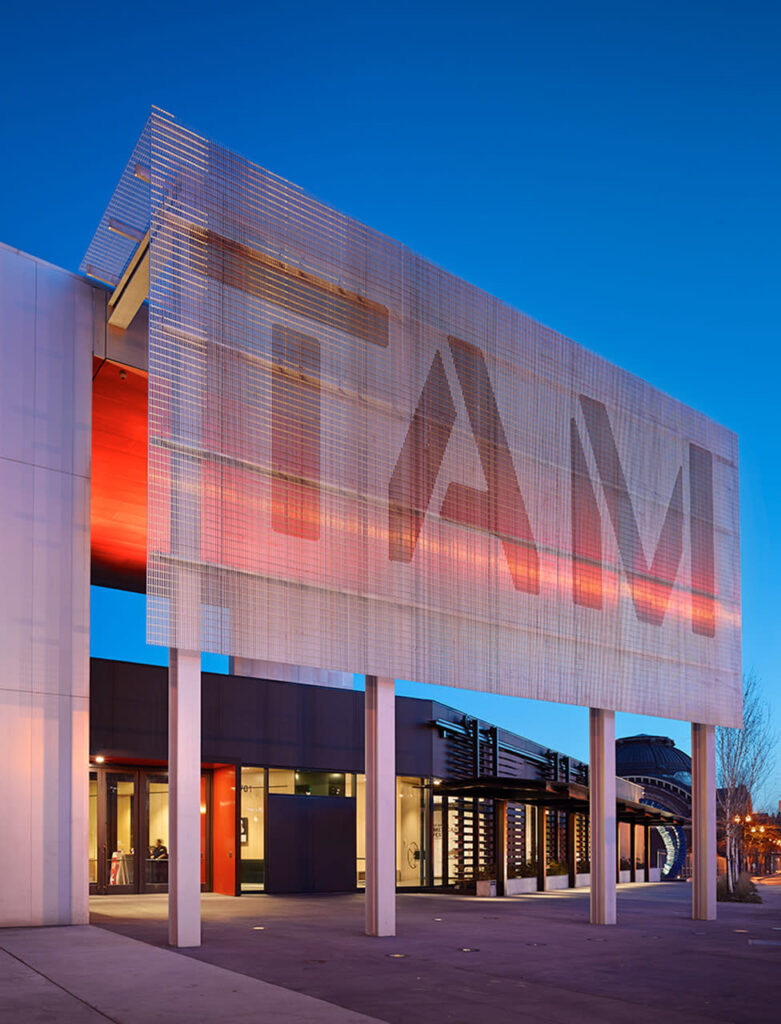
New to the area, we prepare with maps and clippings as if it were a weeklong road trip. It’s free day at the art museum, for an excellent show of early 20th Century American works.
A stylish hat and dress which belonged to Georgia O’Keefe are on display. A visitor refreshes her friend’s memory: “You know, she painted those things.”
There is a photo by Alfred Stiegletz — O’Keefe’s passion, mentor, and torment — of a horse’s groin, titled “Spiritual America.”
“Modern art is too modern for me,” a man tells his companion.
A woman looks at a Stuart Davis canvas. “That’s very painterly,” she says.
“Aren’t you going to write that down?” S. asks me.
I love McDonald’s. The workers tend to be young and funny and full of energy. The dining areas are tidy and bright, and the parking lots are well lit and generally spacious. Plus, the smell of the French fries! I love McDonald’s!
The restrooms are roomy and clean, and — unlike many of their competitors I could mention — there’s often a side entrance so you can gain access without having to pass before the eyes of a judgmental counter staff. McDonald’s employees don’t mind. They understand that sometimes a person needs to pee!
A McDonald’s I went to recently had a giant wall-mounted screen playing zany videos of people setting Guinness World Records. Such fun! And the PlayPlaces (think colorful plastic balls)… nothing like that when I was a kid! Now youngsters can even print out and decorate their own Happy Meals box. And even the merch: so cute! Gotta love that Hamburglar, and gotta love McDonalds!
On the macro, McD’s offers scholarships to personnel from underrepresented groups. Maybe not such a popular idea lately, but they do. And the whole Ronald McDonald House Charities thing is amazing. More than 260 of them, and all places to stay for the families of sick kids. What’s not to love? And betcha didn’t know there are 40 Care Mobile rolling clinics. Medical! Dental!
They send crews out to pick up all the greasy McDonald’s litter dropped around city parks and parking lots! Well, no, but who cares? It feeds the seagulls! Seagulls love McDonald’s!
For a few years I started my workday in suburban Chicago, just a few blocks from the spot of the first McDonald’s franchise in the whole United States. It was a museum, with mannequin employees in paper hats frozen in the act of flipping burgers and frying potatoes. The sign on the Golden Arches read, hilariously, Over One Million Sold.
I love McDonald’s! I encourage everyone to stop in and say hello.
In the early aughts San Jose had an inspiring range of restaurants: Thai, Vietnamese. Indian. Dosas as big as your head. Kheer! The exception was Chinese, at least Veg Chinese.
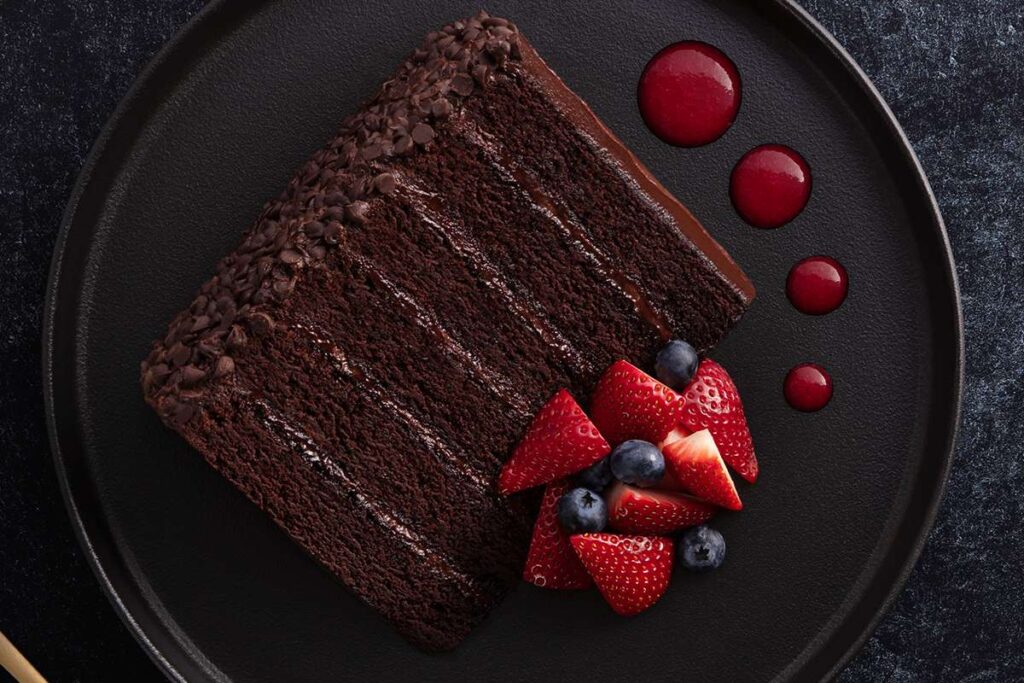
For that reason, S. and I were actually glad when a P.F. Chang’s opened downtown, about six blocks from our apartment. It wasn’t in a mall, the spring rolls and tofu were up to par, and the chain-restaurant vibe was comparatively subtle. The exception was the dessert menu, which couldn’t resist a geewhiz offering: The Great Wall of Chocolate, a staple to this day.
But hey, if you preferred lighter fare, the Tiananmen Lemon Squares were always reliable.
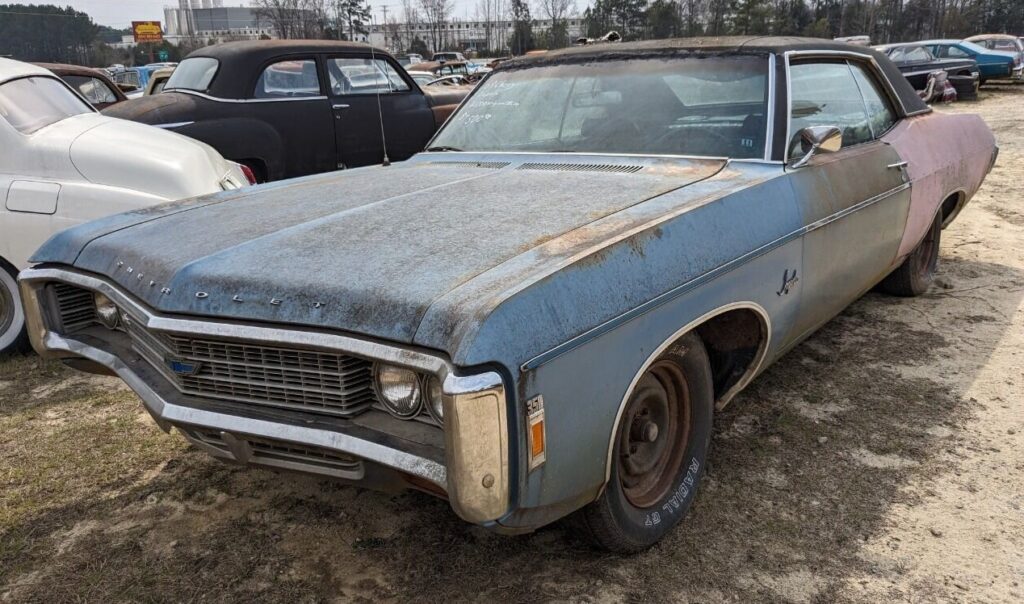
On Wednesdays of junior year, I caught a ride to high school with a scrappy teen from my neighborhood named Chuck. We had been classmates since first grade, though never actual friends, but I could use the lift, and he could use the five bucks to fuel his rustbucket Chevy Impala, which barely seemed reliable enough to make it across town.
Not the actual car, alas. Possibly better than the actual car.
Once, on Highway 41, a guy in a Cadillac tailgaited us for a few miles then followed us into a left turn lane, stopping inches from our back bumper. Chuck shut off the engine, waited until the left turn arrow changed to green, then got out — achingly slowly — and opened the Impala’s hood.
The guy behind us was trapped by heavy passing traffic and couldn’t pull out to get by. I stayed in the car, staring straight ahead and listening to Dark Side of the Moon. Chuck kept up the car-trouble pantomime for three complete cycles of the light. Finally, he closed the hood, started the car and continued to school. All of this without a word.
A few Wednesday mornings later I stood by my front door, waiting. Pickup time came and went with no sign of Chuck. After I had missed homeroom, still waiting, I called his house. Chuck’s mother asked, was I crazy? He took his books and left to get you an hour ago.
When I finally got to school there was no sign of him, and in fact I never saw or spoke to him again. Months later I heard he had driven the Impala to Arizona to live with his equally scrappy brother, and that his mom never stopped believing I had somehow been involved in the plot.
I picture him throwing textbooks out the window as he crosses the plains, lightening his load and hoping to reach the next gas station.
It’s 1999. I am standing in the rain — really more an icy drizzle — in Skokie, Illinois, a suburb my newspaper doesn’t even cover.
I am trying to shoot a picture of the Niles North High School homecoming parade that doesn’t look like every other parade picture ever snapped. And do it without soaking my new 24-50mm lens.
A kid on a float overhands a piece of hard candy which hits me squarely in the forehead, stunning me for a moment. I find this hilarious, already turning it into a story, until a mom comes over and asks, “Did you know you are bleeding?”
This is one of life’s key loaded questions. No matter how you answer, the answer will not be good.
A few months back, heading northbound toward Seattle on the interstate, with afternoon traffic moving slightly above the speed limit — a rare enough occurrence to be a story in itself — I was keeping right to allow hardcore speeders easy passage when I noticed a series of cars in my lane suddenly braking, moving left, then rocketing forward.
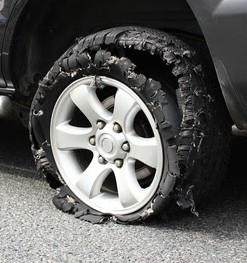
Drawing closer, I realized a battered Camry was going about 50, despite a flat tire on the driver’s side rear. The highway shoulder was plenty wide enough to pull over and safely change it or call for help, but apparently the occupants were determined to make it to the next exit, about a mile ahead.
Fascinated by the Camry’s side-to-side shake, I slowed to match its speed, hung back a dozen car lengths, and turned my flashers on. I expected the shredding tire to fly apart, but the car made it to the exit for an area called Star Lake, which has a gas station a few yards off the interchange. But they just kept going.
When I pulled out and passed, the driver, a teenage boy in a backward ballcap, and now more than two miles from the nearest ramp, was chatting on the phone, laughing. I tried to imagine the conversation:
“Dude, whassup… Me? Not much. I’m on I-5, heading back to Canada.”
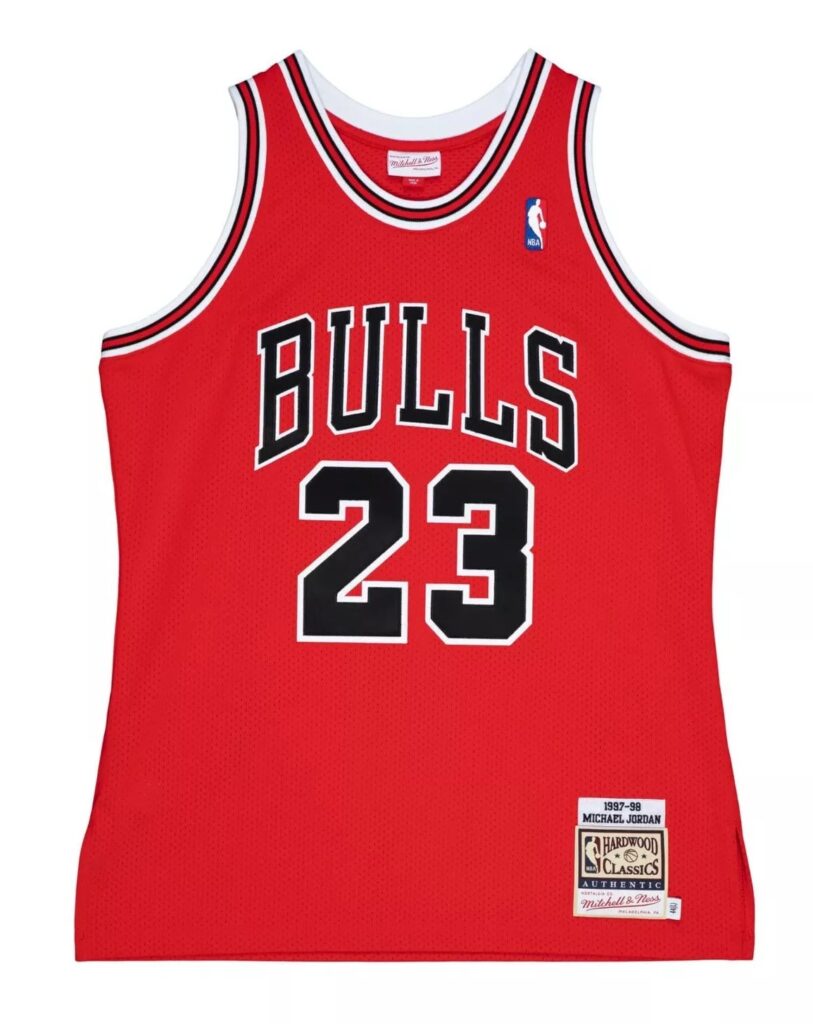
BIZ PRESS – The DNA testing firm 23andMe continues to struggle after declaring bankruptcy in late March, though courts have cleared the way for Regeneron Pharmaceuticals to buy the company, which has lost millions of dollars since its heyday in 2021. Officials originally blamed the bankruptcy on weak demand and fallout from a data breach, but internal audits have revealed that more than half of all American men who visited the company’s website mistakenly believed it was a discussion forum focused on their lifelong personal devotion to Michael Jordan.